
The checkout process in ecommerce refers to the final step of the purchasing process on an e-commerce website. It is where customers review their selected items in the shopping cart, provide necessary information, and complete the transaction to make a purchase. A streamlined checkout process is crucial for reducing cart abandonment, increasing customer satisfaction, and driving the success and profitability of online businesses.
A seamless checkout process should be easy to navigate, offer multiple payment options, prioritize security, and provide a seamless and hassle-free experience. The relationship between the checkout process and customer satisfaction is closely linked, as a well-designed and efficient checkout process can greatly impact a customer’s overall shopping experience and level of satisfaction.
A streamlined checkout process also has a direct and positive impact on customer acquisition rates, as it helps businesses acquire new customers, retain existing ones, and reduce shopping cart abandonment. Mobile optimization plays a critical role in the checkout process as well, as more customers are using their mobile devices to make purchases. By optimizing the checkout process for mobile, businesses can provide a better experience, increase sales, and reach a wider audience.
Checkout
In ecommerce terminology, the checkout process refers to the final steps where a customer completes their purchase by providing payment and shipping information. It is a crucial part of the online shopping journey, as it is where the transaction is finalized and the customer’s information is collected. The checkout process typically includes adding to the cart, reviewing the cart, proceeding to checkout, entering shipping and billing information, and finally placing the order.
Implementing best practices, such as minimizing the number of steps, providing clear instructions, offering guest checkout, and optimizing for mobile, can help businesses streamline their checkout process, increase customer satisfaction, and drive more sales and profits. Abandoned carts can have a significant impact on businesses, leading to lost sales and decreased profitability.
It is important for businesses to understand the reasons behind cart abandonment and take steps to reduce it. The checkout process should be optimized for simplicity, security, and convenience, with options for global commerce and a focus on reducing form fields. It is also crucial to set clear expectations regarding shipping and delivery and to provide accurate inventory updates.
Overall, creating an optimal, user-friendly, and secure checkout experience is essential for online businesses to succeed and thrive.
Key Takeaways:
- A streamlined checkout process is crucial for reducing cart abandonment and increasing customer satisfaction in ecommerce.
- Mobile optimization is essential, as more customers are using their mobile devices to make purchases.
- Implementing best practices, such as minimizing steps and providing clear instructions, can help businesses streamline their checkout process.
- Reducing form fields and offering multiple payment options are strategies to improve customer experience and increase conversion rates.
- Setting clear expectations regarding shipping, delivery, and inventory updates is crucial for customer satisfaction.
Definition of a Streamlined Checkout Process
A streamlined checkout process refers to an efficient and user-friendly method for customers to complete their purchases. It simplifies the process and makes it as quick and hassle-free as possible. A streamlined checkout process should be easy to navigate, with clear instructions and minimal steps. It should also offer a variety of payment options to cater to different customers’ preferences.
The goal of a streamlined checkout process is to make the purchasing experience as smooth and stress-free as possible, so customers are more likely to complete their transaction and return for future purchases. By removing barriers and streamlining the process, businesses can increase customer satisfaction, reduce shopping cart abandonment rates, and ultimately drive more sales and acquire more customers.

Implementing a streamlined checkout process benefits both customers and businesses. Customers can enjoy a quick and hassle-free checkout experience, saving them time and effort. On the other hand, businesses can increase their conversion rates, boost customer satisfaction, and improve their overall profitability.
A streamlined checkout process ensures that customers have a positive last impression of their shopping experience, increasing the likelihood of repeat business. It eliminates unnecessary steps and confusion, providing customers with a seamless journey from adding items to their cart to completing their purchase.
By offering a simplified and efficient checkout process, businesses can reduce cart abandonment rates. Customers are more likely to abandon their carts if the checkout process is time-consuming, complicated, or confusing. A streamlined checkout process addresses these issues, allowing customers to complete their purchases with ease.
The Benefits of a Streamlined Checkout Process
A streamlined checkout process offers several benefits to both customers and businesses:
- Efficiency: Customers can quickly and easily complete their purchases, saving time and effort.
- User-Friendly: The checkout process is easy to navigate, with clear instructions and minimal steps.
- Convenience: Customers have access to a variety of payment options, catering to their preferences.
- Customer Satisfaction: A streamlined checkout process leads to a better overall shopping experience and higher customer satisfaction.
- Reduced Cart Abandonment: By removing barriers and simplifying the process, businesses can significantly decrease cart abandonment rates.
Overall, a streamlined checkout process is essential for businesses looking to provide a seamless and user-friendly purchasing experience. By optimizing their checkout processes, businesses can increase customer satisfaction, drive more sales, and ultimately achieve greater success in the competitive world of e-commerce.
Advantages of a Streamlined Checkout Process for Customers
A streamlined checkout process offers several advantages for customers, enhancing their online shopping experience and increasing satisfaction. By prioritizing speed, convenience, payment options, security, and customer satisfaction, businesses can create a seamless and efficient checkout process that leaves customers satisfied and more likely to complete their purchases.
Firstly, a streamlined checkout process saves customers valuable time. With a quick and efficient checkout flow, customers can complete their purchases in a matter of minutes, allowing them to move on with their day without unnecessary delays or frustrations.
Convenience is another key advantage of a streamlined checkout process. It is designed to be user-friendly and easy to navigate, guiding customers through the payment process step by step. Clear instructions and minimal steps ensure a smooth and hassle-free experience, reducing the likelihood of abandoned carts and increasing conversion rates.
One of the crucial aspects of a streamlined checkout process is offering multiple payment options. By providing customers with a variety of payment methods, such as credit cards, PayPal, and Apple Pay, businesses cater to different preferences and make the checkout process more flexible and convenient for customers.
Security is paramount in the online shopping experience, and a streamlined checkout process prioritizes the protection of customers’ personal and financial information. Robust security measures, such as encryption and secure payment gateways, instill confidence in customers, reassuring them that their data will be handled securely.
Ultimately, a streamlined checkout process leads to increased customer satisfaction. By prioritizing speed, convenience, payment options, and security, businesses provide a seamless and enjoyable shopping experience. Satisfied customers are more likely to return for future purchases, recommend the business to others, and contribute to its overall success.
Here’s a real-world example: [Customer Name], a fashion enthusiast, recently experienced the advantages of a streamlined checkout process while shopping on XYZ Fashion’s website. When she found the perfect dress and proceeded to check out, XYZ Fashion’s optimized checkout process allowed her to complete the purchase quickly, make a payment using her preferred credit card, and receive a confirmation of her order within seconds. The seamless and efficient process impressed [Customer Name], leaving her satisfied and more likely to shop at XYZ Fashion in the future.
By focusing on the advantages of a streamlined checkout process for customers, businesses can enhance their online shopping experience, drive customer satisfaction, and ultimately increase sales and customer loyalty.
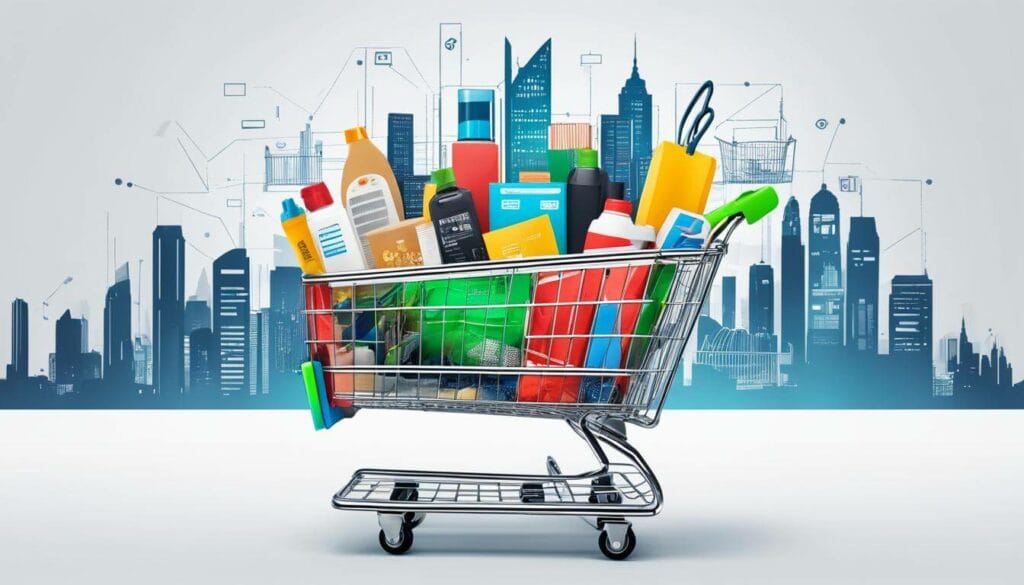
The Significance of Checkout Processes to Ecommerce Businesses
Checkout processes play a significant role in the success of e-commerce businesses. A well-designed and efficient checkout process can have a direct impact on customer acquisition rates, customer satisfaction, sales, profits, and shopping cart abandonment. By prioritizing the checkout process and providing a seamless and user-friendly experience, businesses can drive customer loyalty, increase satisfaction, and improve their bottom line.
- Impact on Customer Acquisition: A streamlined and hassle-free checkout process helps businesses acquire new customers and retain existing ones. A positive checkout experience encourages customers to complete their transactions and increases the likelihood of them returning for future purchases.
- Impact on Customer Satisfaction: The checkout process is closely linked to customer satisfaction. A well-designed checkout process contributes to a better overall shopping experience, leading to higher satisfaction levels. On the other hand, a complex or tedious checkout process can frustrate customers and negatively impact their perception of the business.
- Impact on Sales and Profits: A streamlined checkout process directly influences sales and profits. By reducing friction during the checkout process, businesses can increase conversion rates and minimize shopping cart abandonment. An efficient checkout process leads to more completed transactions and a higher average order value, ultimately boosting sales and profitability.
- Impact on Shopping Cart Abandonment: Checkout processes significantly impact shopping cart abandonment rates. Complicated checkout processes with excessive steps or lengthy forms can discourage customers from completing their purchases. By streamlining the checkout process, optimizing for simplicity and convenience, businesses can reduce cart abandonment and increase revenue.
Investing time and effort into optimizing the checkout process is crucial for e-commerce businesses. By understanding the significance of checkout processes and implementing user-friendly strategies, businesses can enhance customer acquisition, satisfaction, sales, profits, and reduce shopping cart abandonment.
Strategies to Improve Checkout Processes in Ecommerce
Optimizing the checkout process in ecommerce is crucial for businesses to enhance customer satisfaction and drive more sales. There are several effective strategies that businesses can implement to improve their checkout processes and create a seamless experience for customers.
One important strategy is to focus on optimizing the checkout page itself. This involves simplifying the process by eliminating unnecessary steps and reducing the number of form fields. By streamlining the checkout page, businesses can minimize friction and make it easier for customers to complete their purchases quickly and efficiently.
Building trust in the checkout process is also essential for customer confidence. Implementing robust security measures, displaying trust signals prominently, and protecting customers’ personal and financial information are crucial steps to establish trust. By prioritizing data security and privacy, businesses can assure customers that their information is safe, and this can significantly improve their checkout experience.
Another critical aspect of checkout optimization is mobile optimization. With the increasing use of mobile devices for online shopping, it is important to ensure that the checkout process is optimized for mobile users. This includes designing mobile-friendly pages, using responsive design, and simplifying the process for small screens and touch interactions. A smooth and seamless mobile checkout experience can help businesses reach a wider audience and increase conversions.
Lastly, providing multiple payment options is a strategy that can greatly improve the checkout process. By offering popular payment methods such as credit cards, PayPal, and Apple Pay, businesses cater to different customer preferences and increase the likelihood of a successful transaction. This flexibility enhances customer convenience and satisfaction, contributing to higher conversion rates and increased sales.
By implementing these strategies to improve the checkout process in ecommerce, businesses can optimize their online stores for a better customer experience. A user-friendly, secure, and mobile-optimized checkout process, combined with multiple payment options, can result in higher customer satisfaction, reduced cart abandonment, and increased sales and profits.
Source Links
- https://aicontentfy.com/en/blog/impact-of-streamlined-checkout-process-on-customer-acquisition
- https://www.forbes.com/sites/forbesbusinesscouncil/2021/03/16/why-checkout-holds-the-key-to-success-in-digital-commerce/
- https://slixta.com/articles/checkout
Frequently Asked Questions
What is a checkout process in ecommerce?
Why is a streamlined checkout process important?
How does the checkout process impact customer satisfaction?
What role does mobile optimization play in the checkout process?
What are some strategies to improve the checkout process?

Ecommerce Glossary
View All →Related Terminology
View All →
What is CMS in Ecommerce
A content management system (CMS) in ecommerce terminology is a vital tool for ecommerce shop owners looking to create, edit, and publish their digital \[…\]
What Does PDP Stand for in E-commerce, and Why is it Important for SEO?
E-commerce has transformed the way we shop. From the comfort of our homes, we can explore a world of products \[…\]
What is a Payment Gateway in Ecommerce
In ecommerce terminology, a payment gateway plays a vital role in ensuring secure and seamless transactions for both online businesses and customers. But \[…\]
What is a PIM in Ecommerce
As an ecommerce business, managing product information effectively is crucial to drive success and deliver a seamless customer experience. This is where Product \[…\]

What is a Marketplace in Ecommerce
Nowadays, maintaining a leading position in the market is extremely difficult, especially in the dynamic environment of online trade. To \[…\]
What is a Product Catalog in Ecommerce
A product catalog in ecommerce terminology is a crucial tool in ecommerce that allows businesses to showcase their product offerings and drive sales. It \[…\]
What is AOV in Ecommerce
In the contemporary age, the concept of commerce has undergone a significant metamorphosis, shifting from the traditional brick-and-mortar storefronts to \[…\]

What is API in Ecommerce
In the ever-evolving world of ecommerce, businesses are constantly striving to meet the changing needs and expectations of their customers. One \[…\]
What is B2C in Ecommerce
B2C marketing in the world of ecommerce refers to the strategies employed by businesses to directly sell products and services to individual consumers. \[…\]