
Ever thought about why so many online buys end up back in warehouses? It costs businesses billions each year. In 2022, U.S. online sales hit about $1.29 trillion. Yet, $212 billion worth of goods were returned.
The return rate has slightly dropped from 2021’s 20%. Still, it’s a big problem for online shops aiming for happy customers and profits.
I’ve seen how upsetting returns can be for ecommerce businesses. But can we cut down on returns without hurting the customer? Studies show that easy returns can lead to 92% of customers buying again. Let’s dive into new ways to lower returns and boost customer loyalty.
Understanding the Reasons Behind Ecommerce Returns
Online shopping returns are a big problem for businesses. Knowing why these returns happen is key to stopping them and making customers happier.
Common Reasons for Returns
Many things lead to online shopping returns, including:
- Damaged or Broken Items: Fragile items often get damaged during shipping.
- Products Not Matching Descriptions: When products don’t match what customers expect, they return them.
- Late Item Arrival: If items arrive late, customers might cancel their orders and ask for refunds.
- Quality Dissatisfaction: If products are not as good as expected, they get returned a lot.
Impact on Business Profitability
High return rates hurt a business’s profits a lot. The cost to handle a return can be between $21 and $46 per item. For some, this adds up to over a trillion dollars a year.
Looking at return data is very important. It helps businesses stop losses and make customers happier.
Online shopping returns are more common than in-store returns. For example, 8% of shoppers cause up to 70% of returns at some online stores. Using new tech like AI and AR can help. For example, AR for trying on clothes virtually and AI chatbots for quick help can cut down on returns. Also, telling customers about the environmental impact of returns might make them think twice.
| Factor | Impact |
|---|---|
| Return Processing Cost | $21-$46 per product |
| Annual Return Costs | Over a trillion dollars |
| Likelihood of Online Returns | 2-3 times higher than in-store |
| Impact of 8% Shoppers | 70% of total returns |
In short, knowing why returns happen and how they affect profits is crucial. Using new tech and improving return policies can make customers happier and reduce returns.
Creating Accurate and Detail-Rich Product Descriptions
Accurate and detailed product descriptions are key to fewer returns and happier customers. By using content optimization and ecommerce copywriting, you can make sure your product meets customer expectations. This boosts their experience.
Utilizing Customer Feedback
Using customer feedback in your descriptions is a smart move. It helps avoid the 64% of ecommerce returns due to product mismatches. By listening to what customers say, you can fix common problems. This makes your copy better and improves customer happiness.
Essential Elements of Effective Descriptions
Good product descriptions are detailed and specific. They should cover:
- Key features and benefits
- Accurate specifications
- Details about sizing and material, especially for apparel
- Clear and persuasive language
- Customer testimonials
Brands like Amazon and Zappos are great examples. They use detailed descriptions and reviews to cut down on returns. For more tips on reducing returns through better copywriting, check out this useful resource.
Here’s a table showing what makes good product descriptions and how they lower return rates:
| Element | Impact on Returns |
|---|---|
| Detailed Specifications | Reduces misunderstandings leading to fewer returns |
| Accurate Sizing and Material Info | Essential for apparel, reduces fit-related returns |
| Customer Testimonials | Builds trust and aligns expectations |
Implementing High-Quality Product Images and Videos
Visual content is key in reducing ecommerce returns. It helps customers make better choices. High-quality images and videos from different angles are crucial. They show the product as it really is, reducing surprises when it arrives.
Multiple Angles and Contextual Usage
Showcasing products from many angles is a smart move. It lets customers see the item from all sides. This helps them understand its features and details better.
Images that show products in real-life use are also helpful. They help customers see the size, color, and how it works.
Product Videos
Adding videos to your ecommerce site can lower return rates. Videos give a dynamic view that still photos can’t match. They let customers see the product in action and understand its size and features better.
This approach is great for showing texture, fit, and quality. It helps customers know what to expect, making them happier with their purchases.
| Return Rate | Ecommerce Stores | Physical Stores |
|---|---|---|
| Overall Return Rate | 18.1% | 8-10% |
| Apparel Return Rate | 33% | 10% |
| Jewelry and Electronics Return Rate | 10% | 10% |
By using top-notch images and videos, ecommerce sites can close the gap between online and real-life products. This approach boosts sales and cuts down on returns. It makes customers happier and more loyal.
Providing Accurate Size Guides and Fit Assistants
Inaccurate sizing can be a big problem in online shopping, especially for clothes. It can lead to high return rates, up to 33%. To fix this, many stores are now using fit prediction technology to help customers find the right size.
Leveraging Data from Past Purchases
Brands like ASOS use data from past buys to make sizing guides better. This helps cut down on returns and makes shopping more enjoyable. By looking at what customers have bought before, stores can give more accurate size advice.
Interactive Sizing Surveys
Interactive sizing surveys have changed how we find our perfect fit. They use fit prediction technology to ask about body measurements and preferences. This makes customers more involved, leading to happier shoppers and fewer returns.
| Feature | Benefit |
|---|---|
| Interactive Sizing Surveys | Enhanced customer experience, better fit |
| Data from Past Purchases | Accurate size predictions, reduced returns |
| Fit Prediction Technology | Personalized shopping, increased customer satisfaction |
| Sizing Guides | Improved user experience, fewer sizing issues |
Encouraging Customer Reviews and Feedback
In ecommerce, getting customers to leave reviews is key for success. A good system for reviews can change how people shop and see your brand.
Filtering Reviews by Specific Criteria
Reviews filtered by criteria like durability and fit help shoppers choose better. Everlane and Nike use this to their advantage. It boosts engagement and gives deeper insights into what customers want.
Using Reviews to Improve Product Offerings
Reviews are a goldmine for improving products. By listening to feedback, businesses can spot and fix problems. This makes products better and keeps customers happy.
- Over 70% of consumers check reviews before buying.
- Nearly 63% are more likely to buy from sites with ratings and reviews.
- Follow-up emails can get customers to share their thoughts.
- Personal touches, like thank you notes, can encourage reviews.
- Using feedback to improve can make your business better and happier customers.
In short, using customer reviews is a smart move in ecommerce. It boosts engagement and helps improve products.
Optimizing the Return Process Through Customer-Centric Policies
A good return policy is key to keeping customers happy and coming back. Studies show that 82% of shoppers won’t return if the return process is hard. It’s vital to have a clear and easy return portal to keep customers.
Most returns, about 65%, are because of mistakes by the seller. Being open and clear about how to return items can help avoid these problems.
Free returns within 30 to 60 days are common, especially for Shopify stores. Longer return times can make customers more likely to shop again, which is good for business.
But, managing returns can be tough, especially during big sales. Returns can jump up to 30% during events like Black Friday. Using smart solutions like AI can make returns easier for everyone.
Putting customers first can really pay off. It’s cheaper to keep existing customers than to get new ones. Making returns easy can help keep customers happy and save money.
The environmental impact of returns is also a big issue. Some are talking about making returns more sustainable. Looking into strategies for better returns can help.
Talking about being green can also win over customers. More people want to shop in a way that’s good for the planet.
Learning about ecommerce can help businesses stay ahead. Finding a balance between what customers want and what’s good for business is key.
| Return Time Frame | Customer Satisfaction | Business Benefits |
|---|---|---|
| 30 days | Moderate | Standard for Shopify retailers |
| 45-90 days | High | Triggers positive shopping behavior |
| Festive Season (30% surge) | Variable, dependent on reverse logistics | Increased sales but higher returns |
By offering flexible returns, efficient logistics, and great customer service, businesses can turn returns into chances to grow. Happy customers mean more sales and success in the online world.
How to Reduce Returns in Ecommerce
Keeping returns low is key for ecommerce success. Good delivery management and clear expectations help a lot. Free returns and store credit can also keep customers happy and loyal.
Setting Clear Delivery Expectations
Clear delivery times are very important. Many returns happen because of late shipments. Retailers should always tell customers when they can expect their items.
Offering Free Returns and Store Credit
Free returns and store credit are big pluses. They make customers feel more secure in their purchases. This can lower the chance of them returning items.
Using a platform like parcelLab can make managing returns easier. It also helps understand why returns happen. Longer return periods can give customers more time, which might stop them from returning items.
Conclusion
The fight against ecommerce returns is huge. In 2021, over 200 billion dollars worth of items were sent back. This shows how important it is to plan well to lower these numbers. In the digital world, keeping customers happy is key.
Knowing why returns happen is the first step. Issues like wrong sizes and product mismatches are big reasons. By making product details clear and using good images, stores can cut down on returns. For example, 92% of shoppers might buy again if returns are easy.
Improving how items are shipped is also vital. Good shipping means lower costs and a better brand image. This includes working well with shipping companies to get better deals. For more on this, check out this detailed look at ecommerce fulfillment strategies.
Looking ahead, using new tech and focusing on customers is crucial. Adding sizing guides and using past purchase data can help. These steps, along with good shipping and planning, lead to success in ecommerce. For more tips on reducing returns, see this article on reducing ecommerce returns.
Frequently Asked Questions
What are some effective ecommerce strategies to reduce product returns?
Why do customers often return products in ecommerce?
How does the return rate affect business profitability?
How can customer feedback improve product descriptions?
What are the essential elements of effective product descriptions?
How do high-quality product images and videos reduce returns?
Why is providing accurate size guides essential in ecommerce, especially for apparel?
How can leveraging data from past purchases improve size guide accuracy?
How do customer reviews help in reducing product returns?
How can a retailer optimize the return process to enhance customer satisfaction?
What role do clear delivery expectations play in reducing returns?
How can offering free returns and store credit help reduce return rates?

Related Articles
View All →What Adobe Commerce Actually Costs
Adobe Commerce pricing is quote-based and tiered on revenue — but the licence is the smallest part of what a Magento store costs to own. The full picture, and how to tell whether you're paying for capability you use.
Magento 1 End of Life — What It Means If You're Still On It
Magento 1 reached end of life in June 2020. Stores still running it are on unpatched software that handles payment data. What that means for security and PCI compliance, what the options are, and how to choose a destination on merit rather than under pressure.
The Shopify Variant Limit, Explained
Shopify allows three options per product, and that constraint bites long before any variant count does. What the limits actually are, the real workarounds, and when a catalog genuinely doesn't fit.
Optimizing Your Shopify Store for Peak Performance
On most slow Shopify stores the theme is not the problem — accumulated app scripts are. How to find out which, before you pay for a rebuild.
BigCommerce Theme Performance Analysis
When it comes to ecommverce success, site performance is no longer optional. A slow-loading store can mean the difference between \[…\]
Ordoro Review: Inventory Management System for Dropshippers
For e-commerce businesses operating on platforms likein Shopify and BigCommerce, managing inventory and streamlining fulfillment processes become increasingly challenging as \[…\]
Unleashed Inventory Review: Managing Inventory for Shopify and BigCommerce Stores
For growing e-commerce businesses using Shopify and BigCommerce, the transition from basic inventory tools to a comprehensive inventory management software \[…\]
Zoho Inventory Review: Managing Inventory for Shopify and BigCommerce Stores
For small to mid-sized e-commerce businesses operating on Shopify or BigCommerce, managing inventory efficiently while keeping costs under control can \[…\]
Brightpearl Review: Managing Inventory for Shopify and BigCommerce Stores
As e-commerce businesses expand their operations across multiple sales channels, the complexity of inventory management increases exponentially. At this growth \[…\]
Related Resources
View All →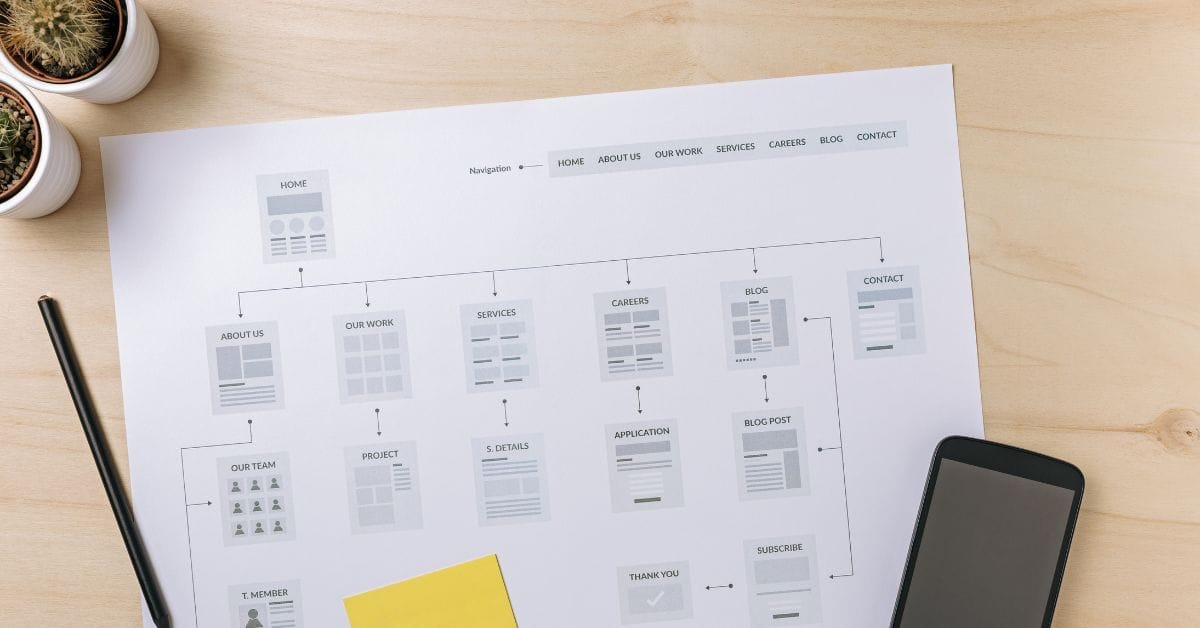
Where is the Sitemap on BigCommerce?
Are you trying to find your sitemap on BigCommerce but aren’t sure where to look? Whether you’re submitting your sitemap \[…\]
What size should your hero image be
In the vast realm of e-commerce, mobile images and web desChoosing the right size for your hero image is crucial \[…\]
What is the BigCommerce API
If you’ve been working in ecommerce, especially with BigCommerce, you’ve probably heard the term “API” thrown around. But what exactly \[…\]
What is BigCommerce Stencil?
If you are still using the BigCommerce Blueprint theme framework, it’s high time that you switched over to their new \[…\]

Welcome to Epic Page Builder Widgets
If you’re running an ecommerce store on BigCommerce, streamlining your page design without the constant need for developers is crucial. \[…\]
Stencil Local Development – Walkthrough
If you’re looking to develop on BigCommerce, using Stencil Local Development is a game-changer. In this video, I walk you \[…\]
Remove Powered by BigCommerce Link
If you’re running a BigCommerce store and want to remove the Powered by BigCommerce link at the bottom of your \[…\]

Page Builder Fields In Raw HTML BigCommerce Page Template
Are you trying to create custom landing pages on BigCommerce but struggling with how to use Page Builder fields in \[…\]
Most Popular Products on BigCommerce
Understanding Top Sellers and Customizing Your Store If you’re wondering how to display BigCommerce’s most popular products feed on your \[…\]